For years, dinner started at 10 a.m.
Not in the kitchen, but at my desk, scrolling my favorite food blogger’s 30-minutes-or-less post because I already knew what the night looked like. Pick up the kids, race home, get something on the table, be back out the door by 5:30 for practice.
There wasn’t time to think. There was barely time to cook. So I’d slip out during my lunch hour, grab a few things from the grocery store, and piece together the next couple of nights in my head on the drive home.
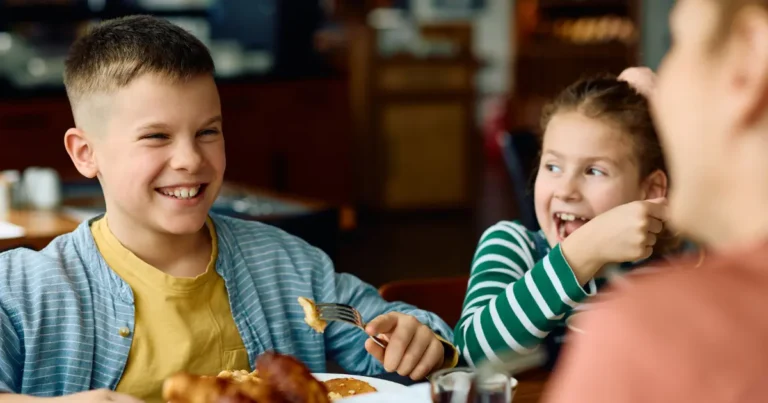
I’ve always loved cooking and being in the kitchen. But in the times of the chaos, it was a constant calculation of figuring out what they would eat, what I could make fast enough, and what wouldn’t come back to me with a face. I cooked around my kids for years. That was my job as their mom. You make one dinner, feeding the people in front of you, and move onto the next task.
I didn’t really think about what I wanted to eat. There wasn’t room for that question.
Then the Table Got Quiet
Not all at once. It happened gradually.
The kids begin their own lives, dinner together became inconsistent, and then one Tuesday you realize it’s just you and your husband sitting there.
Suddenly, nobody is asking for anything to be different. No one is picking around the onions or making a face at the salad. You made roasted vegetables over noodles because that’s what sounded good to you, and you ate them slowly. Your husband told you about his day, and you told him about yours, and there were plenty of empty silences. Silences that didn’t exist when the table was full of their energy. Suddenly, dinner was just dinner.
For the first time in years, I got to decide what I actually wanted… and that turned into a journey in itself.

Moms, We’re Taking Back Dinner
The diet industry, social media, and AI all took over meal planning. It’s time for moms to take it back. Join us for a free 5-day experience to stop deciding what’s for dinner.
The Strict Plan that Worked and Cost Too Much
I was adjusting to the quiet; the new look of dinner. During this time, I went on a health journey where I easily lost weight. I was working with a functional medicine provider, following a strict plan, taking supplements, and eating in a way that was precise and intentional and, yes, effective. I felt good. Energized in a way I hadn’t in a long time.
But there was a night that changed things for me.
My sister was visiting for the weekend and we went to my parents’ favorite pizza place, the kind of place that has those amazing Wisconsin cheese fries. We’ve been ordering them as a family for as long as I remember.
I sat there with a baggie of fruit and vegetables I’d brought from home. While everyone else was passing the basket around, laughing, and arguing over the last fry; I was eating my approved food. I was doing everything right – everything that I thought that I wanted – yet, I felt completely out of place.
That’s when I understood what I was missing. I went from those busy dinner nights, full of energy, to a place where I’d turned food into fuel. But, in that moment, I realized that food isn’t just fuel. It’s how we sit together, the thing we talk about and fight over and remember. You can’t put that in a health plan.
I also understood something I wasn’t expecting: losing the weight didn’t make me feel like a different person. The things I didn’t love about myself were still there, same as before, just in a smaller body. I say this not to discourage anyone who needs or wants to lose weight. I say it because it was true for me, and I think a lot of women my age know exactly what I mean even if nobody says it out loud.
I couldn’t stay in that plan, and it wasn’t because I failed it. I needed food to be something I could live with, on my own terms.
What I’m Doing Now
I know things about my body now that I didn’t know at 35. I can feel the difference between a week where I’ve eaten well and a week where I’ve let things go. I feel it in my energy, my sleep, my mood, but not on a scale. I’ve learned that it’s all connected in ways that can’t be ignored.
I care more about what I eat now then when I was younger. What I want is the 80/20. Eat the recipes I love, the ones full of flavor, color, and nutrition. Then, go get ice cream on a hot day without spending the next three days punishing myself for it. That’s the freedom I’m after. Not the freedom to eat whatever I want, but the freedom to stop feeling guilty about being human.
I’m harder on myself than I should be (but aren’t we all?). When a week falls apart, I eat out more than I’d like and reach for sugar in a way I know doesn’t work with my body. Once I’m off the wagon it’s easy to stay off.
But, I know you have to get back on the wagon. That’s the best part of life. You can always try again. The day always starts as a fresh start, and you can be better than you were the day before. Even if it’s just one percent better; it’s better.
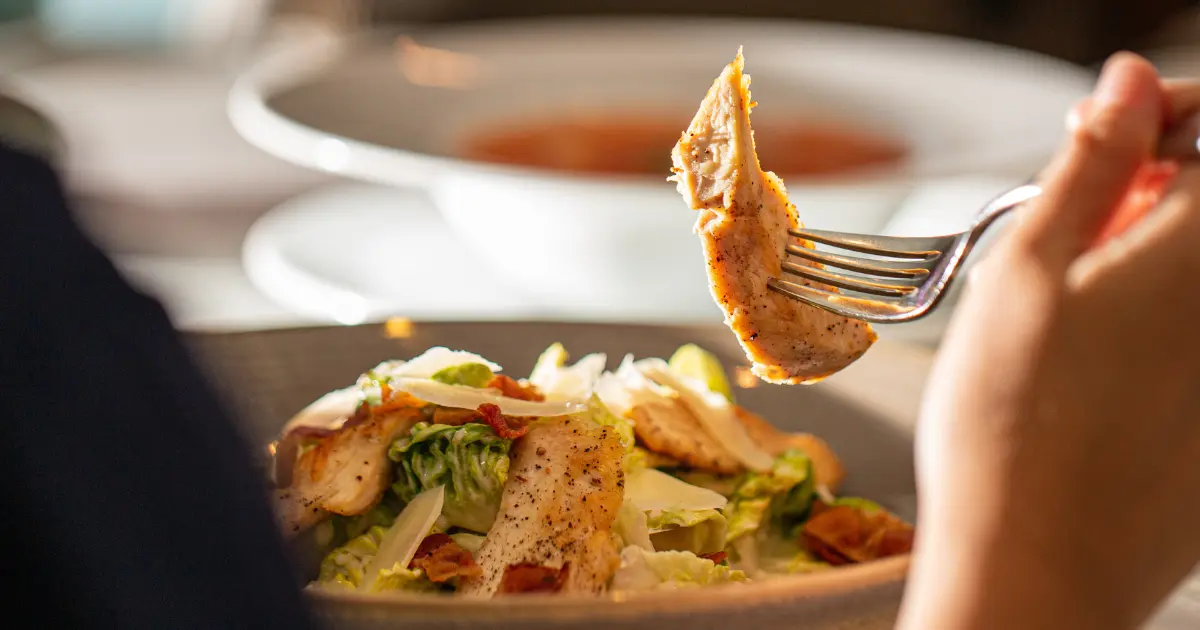
For me, what helps is having recipes I actually want to cook. Not the ones I’m supposed to be eating. The ones that are good for my body and also feel like a choice I made for myself. Not something that I’m eating because it’s a rule that I have to follow.
That’s what Weekly Table has become for me at this stage of my life. Not a way to get dinner on the table in 30 minutes before someone has to be somewhere, but something slower. A place to keep the recipes that are mine. To build weeks that work for my body. To figure out what eating well looks like when I’m finally the one I’m cooking for.
I’m still figuring it out. It’s funny how life works. In the middle of the chaos, you wish you could have a moment of silence. When the silence comes, you wish you could have a night of chaos again. And then, without really noticing it, you begin to love learning who you are on the other side of it.
If you’re ready to stop staring at a folder full of saved recipes and actually eat them, Weekly Table will build the plan around you. Add what you love. Tell us your goals. We’ll take it from there. Get started today.