Aristotle said it best when he stated: We are what we repeatedly do. Excellence, then, is not an act, but a habit.
Consistency brings great things to all areas of life. In many cases, the most benefit can be witnessed when we apply it to areas of our life that impact our overall health and wellness. Exercise, eating, stress reduction… all areas that benefit from consistency.
When it comes to meal planning, consistency serves as a cornerstone for success. The benefits are endless – from cutting grocery costs to saving the mental load of planning for one-off meals. To get to this consistency, meal planning starts with a template that fits into your life and nutrition goals.
A meal planner template may look like a grid on a piece of paper, or a digital spreadsheet of sorts. But, it’s more meaningful than that. When you plan out your meals for the next seven days, it turns into the blueprint of your week. Food sits at the core of so much of what we do, like meeting friends for dinner or cooking brunch for family, or celebrating a birthday with a family meal.
Meal planner templates should work for you and not feel like another thing on the never-ending to-do list. To use a meal planner template to the best ability, there are a few things to think about.
Pick Your Type
Some people prefer to use paper meal planning templates, because it feels like a ritual to plan. It becomes something that they do at the kitchen table – sifting through recipes, noting down family favorites, and translating it into grocery lists.
Others elevate their template selection by using a modular system. Perhaps they have magnetic cards or sticky notes on a board, which gives them the ability to visualize the meal plan in front of them – and swap days depending on how they are feeling.
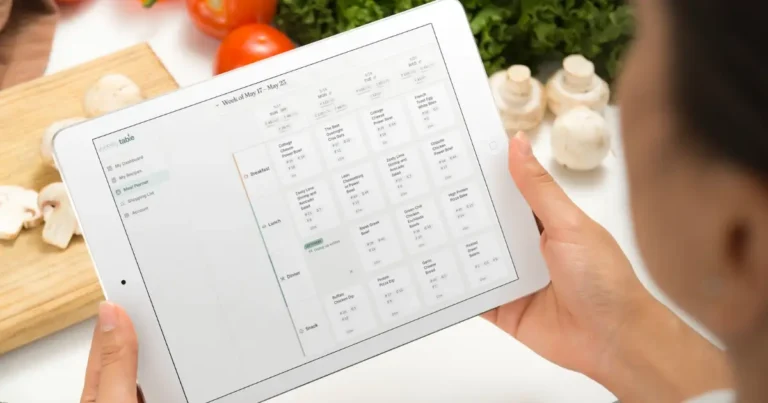
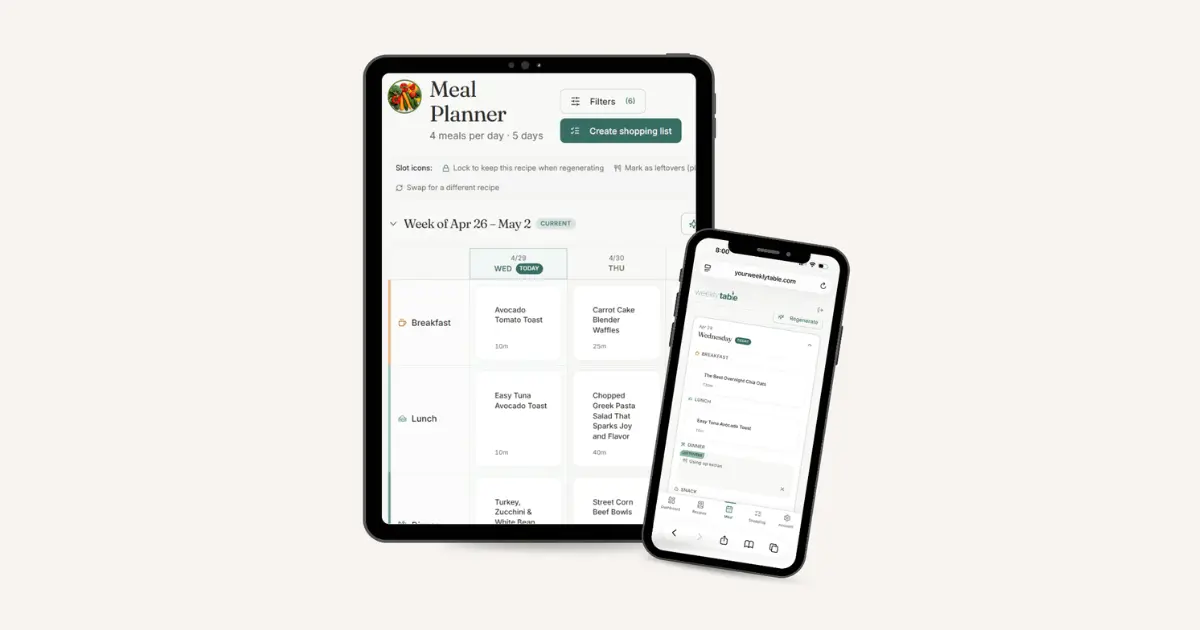
Digital meal planning tools, whether in an app or a spreadsheet, have become the most popular of choice. From organizing recipes into an easy-to-access digital library to generating a meal plan in a matter of seconds, these tools simplify the entire process while saving time.
Identify Your Rocks
For many, the biggest hurdle with meal planning starts with the blank sheet staring back at you. It can feel overwhelming and like it’s a big task to figure out.
However, when you think about it as a game of tetris, it becomes more like a game.
To start, look at your rocks. Your rocks are the events that don’t move during the week. Maybe your kids have soccer on Tuesday or you have a standing work dinner on Thursdays. Either way, mentally make a note of what the rocks are on your schedule – and plan around them.

Moms, We’re Taking Back Dinner
The diet industry, social media, and AI all took over meal planning. It’s time for moms to take it back. Join us for a free 5-day experience to stop deciding what’s for dinner.
Populate Your Plan
Using a digital meal planning system like Weekly Table makes this the easiest part of your plan! Once your recipes are in the system, you can click a button to generate the menu for the week.
Review what your week looks like, align with your rocks, and make changes here and there. Whether it’s a night out for dinner, or planned leftovers at the kitchen table; the meal planning system can adapt for these so your meal plan – and grocery list – are accurate.
If you have a household of picky or finicky eaters, there are a few ways you can get around this! Some favorite ideas include:
- Host theme nights, like Taco Tuesday or Smorgasbord Sunday (a favorite in our house, all the leftovers hit the table!)
- Leave one night open for leftovers (even if you don’t plan a Smorgasbord Sunday!) to give everyone options and to reduce the grocery waste
- Think about an anchor ingredient that can be used throughout the week, like a meat or a grain
- Look at the weather because let’s face it, soup tastes better when it’s a rainy Wednesday
Build Your Grocery List
Once you have the meal planning template ready to go, it’s time to build your grocery list! The meal planner template is only as good as the grocery list it generates.
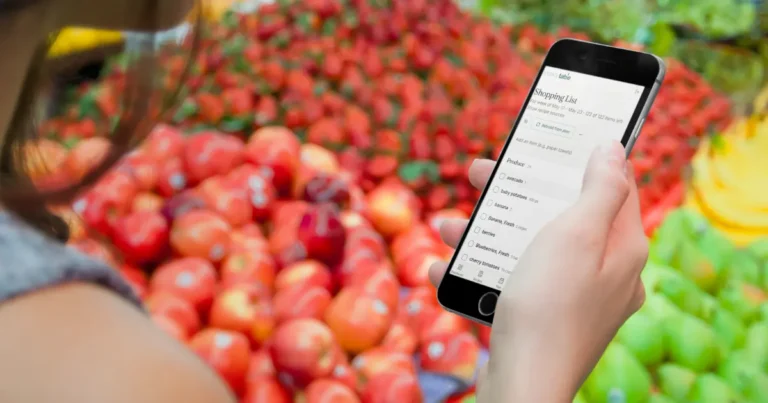
When using a digital meal planning tool, this part happens in just a few clicks – and the tool generates an organized grocery list that aligns with the layout of grocery stores. Simply go through the pantry to see what you can check off before you head to the store.
Review and Reflect
Just like any area of focus, spending time to review and reflect on what went well and where you can improve can help you continue to be consistent with your meal planning. Ask yourself what meals were enjoyable – both to eat and cook. Figure out what seemed to work well for you and your family, and build future plans from there. Favoriting a list of recipes can make generating a future meal plan easier than ever.
Consistency Starts Here
While it doesn’t feel like it when you start, the more you build the habit of meal planning; the easier it becomes. It starts to feel like something you never lived without – and simplifies your life. Imagine walking through the door after a long day at work, and not having to be asked what’s for dinner. Or, to finally be able to use the recipes that you’ve spent the last few years pinning.
This is where the meal planning template has the most power. It creates consistency, yes, but it can finally unlock your ability to:
- Cut grocery costs
- Stop wasting so much food
- Save time planning for meals every week
- Eliminate the mental load of what’s for dinner
Most importantly, as it eliminates the stress and decision fatigue, you can enjoy what matters most: connecting with those you love.
Ready to make dinner the highlight of your day? Start with a free subscription to Weekly Table today!