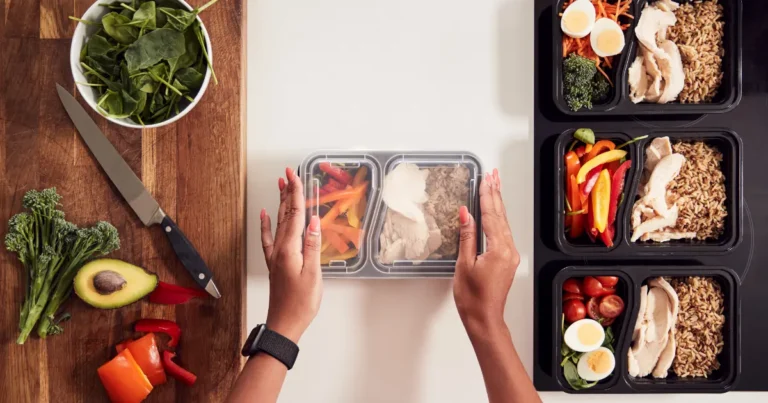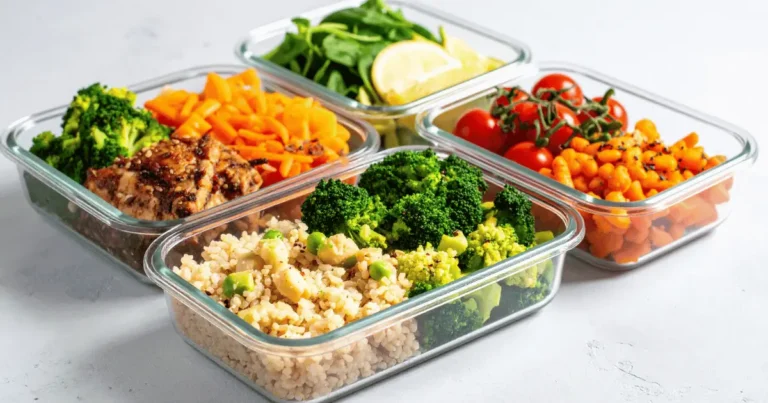
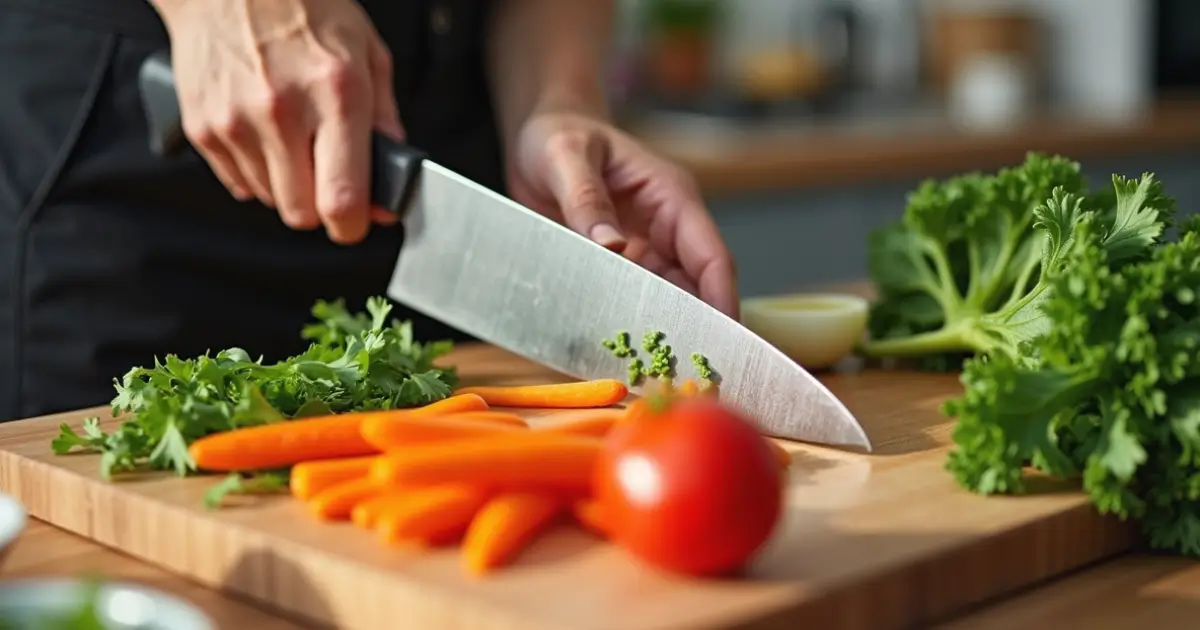
The idea of meal prepping (making or organizing your food in advance) makes your weekly meal goals a lot easier. Your meal prep can be as small as cutting up your veggies when you get home from the grocery store, or as big as cooking meals for the next four days. How much you do, who you do it for, or how often doesn’t matter. Meal planning for the week gives you one less thing to think about.
However, most meal prep advice assumes you have a free Sunday, clean kitchen, groceries in the fridge, and a couple of hours with nowhere to be or no one around to need your help.
In this blog post, we’ll highlight these eight easy tips so whether you are a beginner starting meal prep for the first time or someone that just needs a fresh start; you can start where you are.
But First: What are the Real Benefits of Meal Prepping?
Meal prepping saves you money, helps you eat better, cuts down on food waste, and gives you more time back on a Wednesday night.
But, the benefit that actually keeps the habit going is the mental load – or the number of decisions you carry by managing food logistics in your brain before it even comes out of the fridge.
When dinner is at least partially handled before the 5 o’clock panic sets in, something in your brain relaxes. You stop carrying the weight of figuring it out every single day. When you’re not solving dinner while also answering emails and supervising homework, you’ll notice the difference.
8 Meal Prep Tips for Beginners
1. Ditch the Sunday Rule
You don’t need another thing added to your week that’s already full. That’s why meal prepping fails for most people: It requires a time slot that simply isn’t there. The goal is to work it into what you’re already doing.
Instead, incorporate it into your week. The TV is on and nobody needs anything from you for the next 20 minutes, or right after you get home from the grocery store. The prep doesn’t need to be a full meal, it can be snacks you bag up, muffins you bake ahead, a salad dressing you want to try for the week… all of it counts. When you stop waiting for the perfect time, you start noticing ten-minute gaps that you can sneak in.
2. Start at the Grocery Store, Not in the Kitchen
When you’re walking the produce aisle, think grab and go. Some vegetables are ready to wash, cut, and bag right when you get home, no cooking or planning required. When your kids open the fridge after school, the healthy option becomes the easy option. When you need a quick side at dinner, it’s already done.
These hold up best all week in a container or bag:
3. Let Your Grocery List Tell You What to Prep
When I’m building meals for the week, I look at my grocery list and notice what shows up more than once.
Rice in a chicken bowl on Monday and a stir fry on Wednesday? Cook it all at once.
Black beans in tacos on Tuesday and a burrito bowl on Thursday? One can, two meals.
Firing up the grill for burgers on Sunday? Throw the chicken on too, it’s already going.
You’re not adding work. You’re just making the most of what you were already going to cook.
Some ingredients that stretch furthest:
The time you save isn’t just in the cooking. It’s the Thursday night when you open the fridge and dinner is mostly done.
4. The Double Batch Rule
Keep gallon freezer bags or containers on hand. The easiest meal prep happens when you’re already cooking.
Making waffles or pancakes this weekend? Make the whole batch, eat what you want, and freeze the rest. Same with meatballs, soups, chili.
You’re already doing the work, you’re just making more of it. My family pulls from those bags for weeks. Waffles go straight from the freezer to the toaster. Meatballs into a pan with sauce. Soup into a pot on a night nobody wants to cook.
5. Let Your Meal Plan Do the Thinking
I don’t build my meal plan from scratch every week. I start with a plan that’s already built and adjust from there, and that alone saves more mental energy than anything else I do.
When I look at the week I’m adjusting for three things:
- Using ingredients that overlap so I can cook once and use twice
- Planning for nights that are busier and need something already ready
- Seeing what’s in my fridge that needs to be used before it goes bad
A few weeks ago I made a big batch of rice and it turned out larger than I expected. I had no lunch plan, but I had a fridge of cooked rice and a bag of frozen vegetables, and that was enough. Two days of fried rice, no planning required. I didn’t set out to prep lunch that week. I just had something already done, and it handed me an option I didn’t have to think about.
That’s what having a plan gives you, not a rigid schedule, but a head start on the nights you walk in the door and don’t have anything left.
6. Start With One Thing
Your first meal prep session doesn’t need to be an hour. It can be cutting one apple, portioning out a bag of nuts, or hard boiling four eggs. Small is how habits start.
One of my go-to batches is a simple mixed nut and dried fruit mix. A bag of pecans, macadamia nuts, and Brazil nuts, some cut up figs and dates, stirred together and bagged into individual containers or snack bags. One batch lasts weeks. The portions are measured. On the days you’re running out the door or headed out for the weekend, you grab a bag and you’re set.
7. Don’t Prep More Than 3 Days at Once
Prepping five days of the same meal sounds efficient until you’re staring at it on day three and want nothing to do with it. Two or three days max gives you variety without starting from scratch every night
8. Give Yourself Permission to Skip a Week
Some weeks you’ll have great meal prep ideas, and others a pot of rice is the whole win. If meal prepping starts getting in the way of enjoying your week, skip it. It’ll be there next week. Every small thing you do counts, even if it’s just one.
Ready to take the meal planning part off your plate? Weekly Table builds your weekly plan and grocery list for you automatically. Get started for free.