Everyone who manages the kitchen at home has likely gone through the phase of pinning recipes like crazy, finding favorite recipe blogs, and even going old school and getting printed cookbooks. Even after spending time uncovering all of these amazing dishes, it often means you are still enjoying the same tried-and-true recipes that grace your kitchen table night after night.
That’s because the challenge becomes how to organize recipes when they live in all these different places. I don’t know about you, but I have a Pinterest board that I have been building for years. At best, I’ve probably made about five of those recipes.
It’s not because the recipes aren’t delicious or don’t fit my current eating goals. It really comes down to the fact that they aren’t top of mind.
Years ago, I used to print off all recipes. I would put them in a binder, and every Sunday; meal planning would become getting the binder out and organizing the recipes so that I could make something different every single night.
It was a pain, yes, but it meant that I was actually using the recipes and not subjecting myself to a girl dinner because I’m bored with what I’m making.
Here’s the thing: There’s a better way.
What is Recipe Hoarding?
You know that feeling when you finally have a minute to watch something on your favorite streaming channel, and you scroll and scroll, but can’t find anything to watch? The overwhelm of too many options creates even more fatigue than not having any options.
That’s the same thing that has happened in our recipe books. Years ago, recipe collections were passed down from generation to generation. Cookbooks expanded options, and then the internet turned it into a world of recipe hoarding.
As I mentioned earlier, my Pinterest board is filled with hundreds of recipes that I haven’t look at again after pinning them for later. Collecting the recipe feels like an accomplishment (and almost like a hobby in itself). Organizing it feels like a chore. Which means that it continues to live on the Pinterest board, collecting dust, with a hope that someday we’ll have time to look at it again.
But now, technology exists to help pull these recipes together – so that you can actually cook them and add some variety to your meals for the week (which can mean that those picky eaters finally say yes to what’s on their plates…).
The Digital Recipe Box
Over the last decade, the digital recipe box has come about to help organize recipes in a better way. It was finally a way to get everything into a tool that could be easier to manage when it came to meal planning.
Digital recipe box tools are helpful, but they also have their drawbacks. Traditionally, it has taken a good amount of time to pull together your recipes into one spot. The tool will upload the recipe itself, but it may require you to go through and edit the ingredients or even format it so it’s usable in the future.
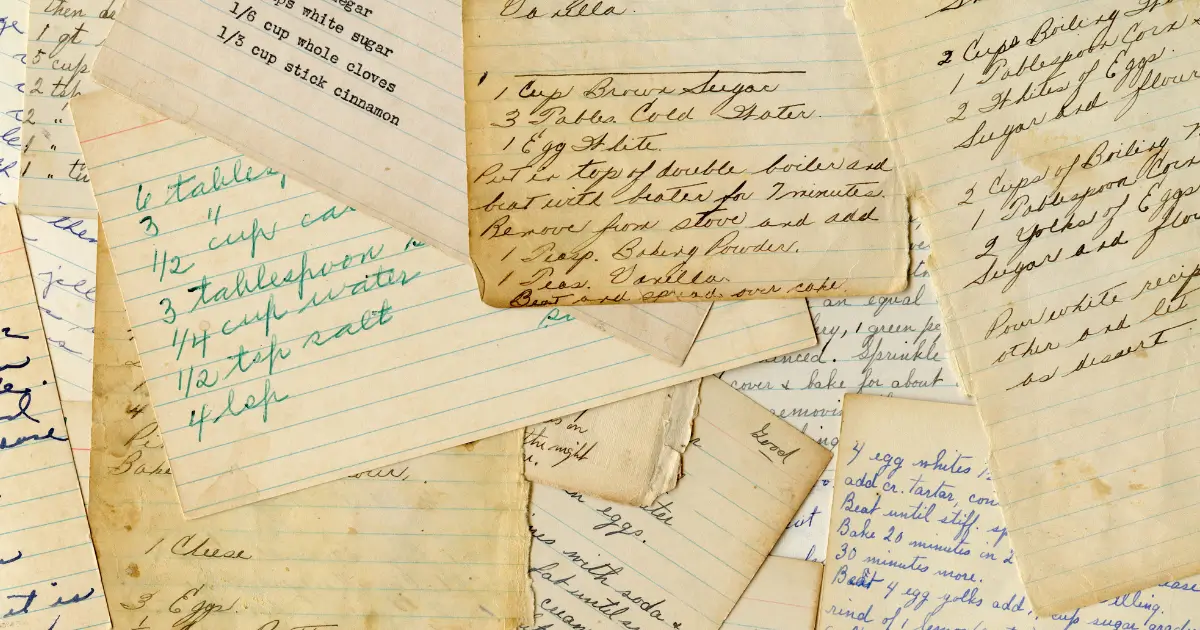
Weekly Table simplifies this entire process by making it easy to upload recipes in any format. In a few clicks, the recipes are uploaded and ready to be used for meal planning and for cooking. I was even able to upload an old recipe from my grandma that my mom had hanging on her wall – and it knew exactly what to input!
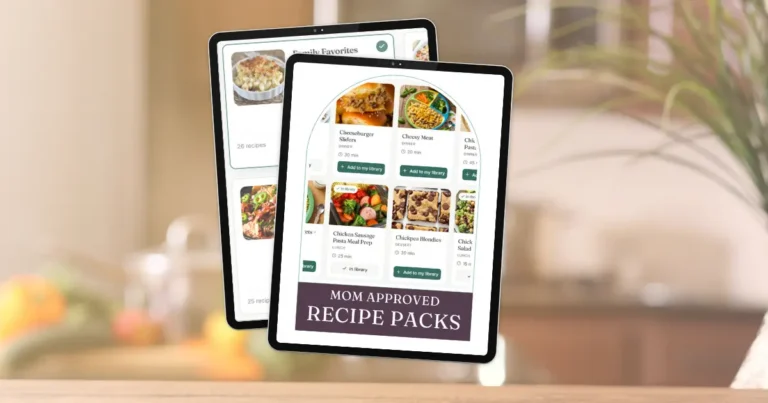
Or, if you don’t want to start with your own recipes you can pull recipes from Weekly Table’s Recipe Packs. The recipe packs are organized by category – like family favorites, healthy from scratch, and picky eaters.
But Really: How to Organize Your Recipes
I’m in a stage of my life where even when I know something will help me in the future, it’s really hard to find the time to dedicate getting it set up so that I feel those benefits. Anyone else feel that?
So when it comes to organizing recipes, this is something that happens – the lack of being able to dedicate the time to do it all yourself. The good news: when you have a system like Weekly Table, it does most of the work for you.
To organize your recipes, it may be helpful to get rid of some of the decision fatigue by eliminating those recipes that sound good, but will just never make it to the plate (or you’ll be exhausted the minute you do). Once upon a time, I bought some ramekins to make homemade chicken pot pies. And let me tell you, they were absolutely delicious! It also took the entire night to make (over three hours), so it’s never made it to the meal planner again.
As you build out your digital recipe box, here are some tips:
- Separate your aspiration recipes from your staple recipes. Let’s face it, that four-hour beef wellington is likely not going to become a common meal for Tuesday night.
- Organize based on your life. That’s great to organize by cuisine type or primary meat. But, that doesn’t save you when you’re in a pinch and juggling four schedules on a Thursday. Make a note of what could be done in less than 30 minutes or might work for picky eaters.
- Think about the energy that’s required. That recipe that you’ve made 100 times and don’t even need to look at the recipe? It’s a lot different than the one that you just printed off and have no idea what to cook when. From no brainers to slow and steady, it’ll make your meals fit with your life.
Of course, if you’re short on time, uploading them into a digital recipe box – like what you find with Weekly Table – will help you get it all together in just a few minutes!
While we are all short on time in today’s world, spending a few minutes a day to organize recipes can make a difference. A true organizational system to help you plan meals and connect at the kitchen table gives you the ability to create a new legacy of family recipes.
Ready to eliminate the mental load of organizing your recipes? See how it works in Weekly Table for free.